

The Role of Core Strength in Supporting Spinal Health
The Role of Core Strength in Supporting Spinal Health
Why Burlington Residents Are Turning to Spinal Decompression for Long-Term Relief
When we understand how core strength supports spinal health, and combine that knowledge with advanced, non-surgical solutions like Spinal Decompression Therapy in Burlington, long-term spinal stability becomes achievable.
At Burlington Spinal Decompression, led by Dr. Brad Deakin, patients receive evidence-informed chiropractic care, onsite X-rays, and personalized care plans designed to correct the underlying issue—not just manage symptoms.
Let’s break down why your core matters so much—and why spinal decompression is the solution for long-term spinal health.
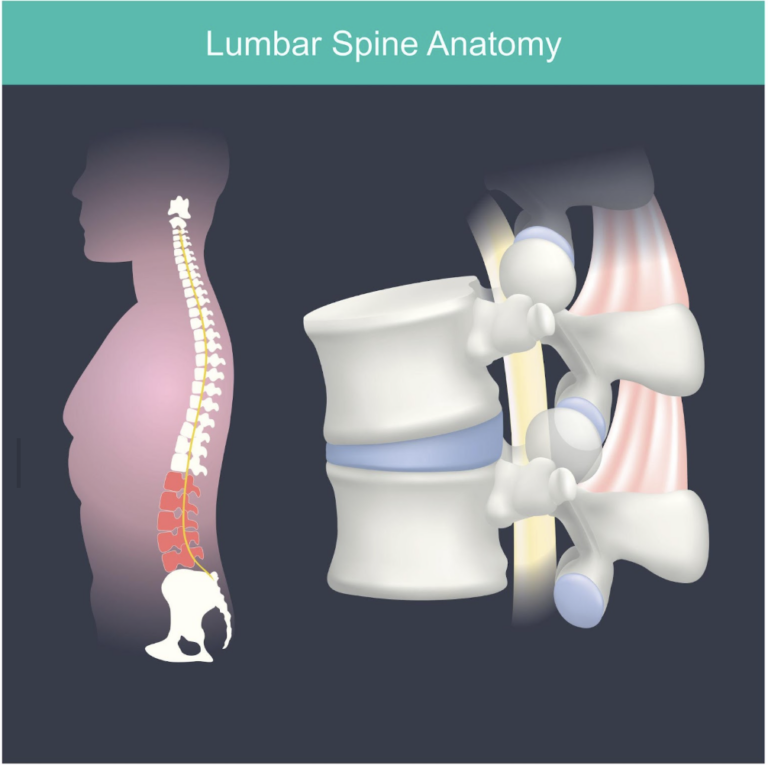
Understanding Core Strength and the Spine


Your “core” isn’t just your abs.
It includes:
- Transversus abdominis
- Multifidus muscles
- Pelvic floor muscles
- Diaphragm
- Deep spinal stabilizers
These muscles work together to create a natural brace around your spine. When functioning properly, they:
- Stabilize spinal segments
- Reduce stress on intervertebral discs
- Improve posture
- Distribute load evenly
According to research in Spine and the Journal of Orthopaedic & Sports Physical Therapy (JOSPT), spinal stability depends on coordinated muscle activation rather than sheer strength alone (White & Panjabi, 1990; APTA/JOSPT, 2021).
When the core becomes weak or inhibited—often due to injury, prolonged sitting, or disc irritation—the spine compensates. Over time, this compensation can lead to:
- Lumbar disc bulges
- Sciatica
- Degenerative disc changes
- Chronic mechanical low back pain
For Burlington residents who spend hours seated or commuting, this pattern is extremely common.
Why Core Strength Alone Is Not Enough
Strengthening exercises are essential—but they are not always sufficient.
If a disc is compressed or irritated, muscle activation becomes reflexively inhibited. Research in The Spine Journal and European Spine Journal demonstrates that disc pathology alters neuromuscular control and spinal stability patterns.
This is critical.
You cannot fully stabilize a spine that is mechanically compressed.
That is where Non-Surgical Spinal Decompression in Burlington becomes essential.
Spinal Decompression in Burlington, Ontario: Advanced Technology + Expert Care
What Is Spinal Decompression?
Spinal decompression is a computerized traction therapy designed to:
- Gently reduce intradiscal pressure
- Promote disc rehydration
- Improve nutrient diffusion
- Reduce nerve root compression
- Restore segmental mobility
Unlike generalized traction, modern decompression technology precisely controls force and angle to target specific lumbar levels.
Clinical guidelines such as NICE NG59 (2020) and the WHO (2023) emphasize non-pharmacologic, conservative care as first-line management for chronic low back pain. The Canadian Chiropractic Guideline Initiative (2018) also supports conservative spinal care as a core strategy.
Emerging evidence—including systematic reviews published in Physical Therapy (Vanti et al., 2021) and BMC Musculoskeletal Disorders (Amjad et al., 2022)—demonstrates that traction and decompression, when applied appropriately, can significantly improve pain and function in patients with lumbar radiculopathy.
In clinical practice, we consistently observe meaningful improvement within 2–4 weeks, with continued structural correction over time.
Core Strength + Spinal Decompression: A Powerful Combination
Here’s the truth:
Core exercises stabilize the spine.
Spinal decompression restores the spine.
When decompression reduces disc pressure, the nervous system can properly activate stabilizing musculature again. This restores:
- Segmental control
- Functional movement
- Postural endurance
- Long-term disc health
This integrated approach aligns with the biomechanical principles outlined in Clinical Biomechanics of the Spine (White & Panjabi, 1990) and modern rehabilitation guidelines (APTA/JOSPT, 2021).
At Burlington Spinal Decompression, chiropractic adjustments, decompression therapy, and corrective stabilization exercises are combined in a structured, long-term care strategy.
Addressing the Underlying Issue — Not Just the Symptoms
Back pain is rarely random.
It usually reflects:
- Disc compression
- Segmental instability
- Core inhibition
- Postural overload
At Burlington Spinal Decompression, every patient receives a structured care plan designed to resolve the mechanical source of dysfunction.
This aligns with modern spine care principles outlined in:
- The Spine Journal
- Spine
- Journal of Manipulative & Physiological Therapeutics
- Archives of Physical Medicine & Rehabilitation
The consistent message across high-quality research: long-term improvement requires correcting biomechanical dysfunction.
Why Non-Surgical Spinal Decompression Is the Best Option
Surgical interventions are invasive and reserved for severe cases. Medication does not correct structural issues.
Non-surgical spinal decompression:
- Is conservative
- Is targeted
- Is evidence-informed
- Addresses disc mechanics directly
- Supports long-term recovery
When paired with chiropractic care and core stabilization, it provides a comprehensive, structured path forward.
For residents searching:
- Best Spinal Decompression in Burlington
- Sciatica treatment Burlington Ontario
- Herniated disc therapy Burlington
- Non-surgical back pain treatment Burlington
- Chiropractic decompression therapy near me
The solution is here.
A Burlington-Focused Approach to Spinal Health
Living in Burlington means balancing professional life, commuting, and staying active.
Long hours sitting weaken the core.
Repetitive strain compresses discs.
Without intervention, instability progresses.
Spinal decompression restores disc mechanics.
Core rehabilitation restores muscular control.
Chiropractic care restores joint alignment.
Together, they create sustainable spinal resilience.

Take the Next Step Toward Long-Term Spinal Health
If you are experiencing:
- Chronic low back pain
- Lumbar disc bulge
- Sciatica
- Nerve pain
- Degenerative disc disease
It is time to investigate the underlying cause.
Burlington Spinal Decompression, led by Dr. Brad Deakin, offers:
- Onsite diagnostic imaging (Digital X-Rays)
- Leading 4- Dimensional non- surgical spinal decompression technology
- Customized long-term care plans
- A structured path to spinal stability
Improvement can begin within weeks. Structural correction builds over time.
Your spine supports everything you do. Strengthen it properly. Restore it completely.
References (APA)
- Amjad, F., et al. (2022). Effects of non-surgical spinal decompression therapy in lumbar radiculopathy: A randomized controlled trial. BMC Musculoskeletal Disorders, 23, 1-10.
- Canadian Chiropractic Guideline Initiative. (2018). Clinical practice guideline for the management of low back pain.
- National Institute for Health and Care Excellence (NICE). (2020). Low back pain and sciatica in over 16s: Assessment and management (NG59).
- Vanti, C., et al. (2021). Traction for lumbar radiculopathy: A systematic review and meta-analysis. Physical Therapy, 101(2).
- White, A. A., & Panjabi, M. M. (1990). Clinical biomechanics of the spine (2nd ed.). Lippincott Williams & Wilkins.
- World Health Organization. (2023). WHO guideline for non-surgical management of chronic primary low back pain.
- American Physical Therapy Association & Journal of Orthopaedic & Sports Physical Therapy. (2021). Interventions for the management of acute and chronic low back pain: Clinical practice guideline.
- North American Spine Society (NASS). Evidence-Based Clinical Guidelines for Multidisciplinary Spine Care.

Burlington Spinal Decompression: Where to find us & how to start
Burlington Spinal Decompression (Dr. Brad Deakin)
Address: 1‑3350 Fairview St, Burlington, ON L7N 3L5
Phone: (289) 337‑9969
We provide on‑site digital X‑rays, advanced nerve scans, and 4‑Dimensional decompression with individualized chiropractic‑led care plans to resolve the underlying issue—so you can get back to what you love. burlingtonspinaldecompression.ca+1
Ready to get started? Book your initial exam today—our team will review your imaging and map a plan to herniated disc relief that fits your schedule and goals. burlingtonspinaldecompression.ca